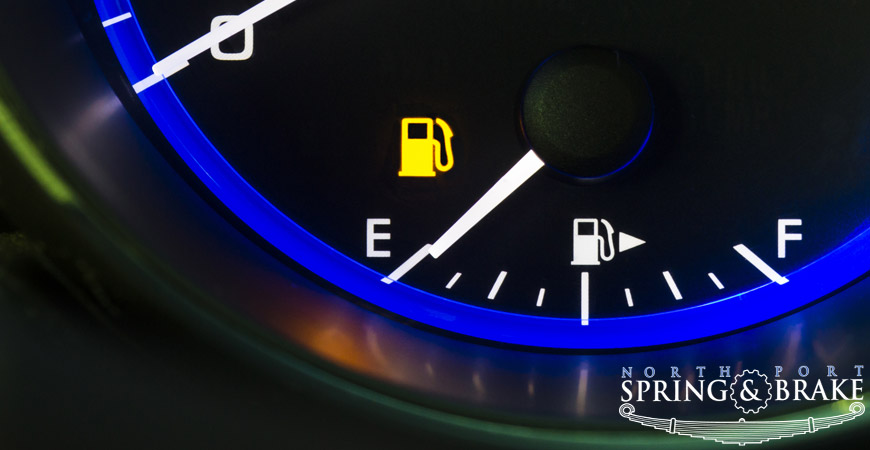
Rising gas prices are affecting drivers across the country, with average prices climbing above $4 per gallon in many areas due to supply pressures and increased demand. For drivers, improving fuel efficiency isn’t just a smart habit; it’s a necessary strategy to reduce everyday expenses. At NSAB.shop, we believe small changes in how you drive and maintain your vehicle can lead to significant savings over time. Here are practical, proven fuel efficiency tips every driver should implement.
Drive Smarter, Not Harder
One of the biggest factors affecting fuel consumption is driving behavior. Aggressive driving, such as rapid acceleration and hard braking, can reduce fuel efficiency by up to 33% on highways and even more in city conditions. Instead, focus on smooth acceleration, gradual braking, and maintaining a steady speed. Anticipating traffic ahead allows you to coast rather than constantly stopping and starting, which conserves fuel.
Maintain a Consistent Speed
Driving at high speeds significantly reduces fuel efficiency. In fact, every 5 mph over 50 mph can increase fuel costs per gallon. Using cruise control on highways helps maintain a consistent speed and prevents unnecessary fuel waste. Slowing down slightly can have a noticeable impact on your gas mileage.
Avoid Excessive Idling
Idling gets you zero miles per gallon. Whether you’re waiting in a parking lot or sitting in a drive-thru, turning off your engine when stopped for more than a minute can save fuel. Even short periods of idling add up over time and contribute to unnecessary fuel consumption.
Keep Your Tires Properly Inflated
Underinflated tires increase rolling resistance, forcing your engine to work harder and burn more fuel. Regularly checking and maintaining proper tire pressure is one of the easiest ways to improve fuel efficiency. It also enhances safety and extends the life of your tires.
Reduce Weight and Drag
Extra weight in your vehicle can decrease fuel efficiency. Removing unnecessary items from your trunk or backseat helps your car operate more efficiently. Additionally, roof racks and cargo boxes create aerodynamic drag, which can significantly reduce gas mileage, especially at highway speeds.
Combine Trips and Plan Ahead
Short trips from a cold engine use more fuel than longer, continuous drives. Combining errands into one trip reduces the number of cold starts and improves overall efficiency. Planning routes ahead of time also helps you avoid traffic congestion and unnecessary detours.
Stay on Top of Vehicle Maintenance
Routine maintenance plays a crucial role in fuel efficiency. Keeping your engine properly tuned, replacing air filters, and using the correct motor oil all contribute to better gas mileage. A well-maintained vehicle runs more efficiently and consumes less fuel over time.
Use the Right Fuel and Find the Best Prices
Using premium gasoline when your vehicle doesn’t require it is an unnecessary expense. Sticking to the recommended fuel type can save money without impacting performance. Additionally, using apps to locate cheaper gas stations or taking advantage of loyalty programs can further reduce costs.
Fuel efficiency isn’t about making drastic changes—it’s about building smarter habits. By driving more smoothly, maintaining your vehicle, and being mindful of how and when you drive, you can significantly reduce fuel consumption and save money. With gas prices expected to remain volatile, adopting these strategies now will help you stay ahead and keep more money in your pocket.