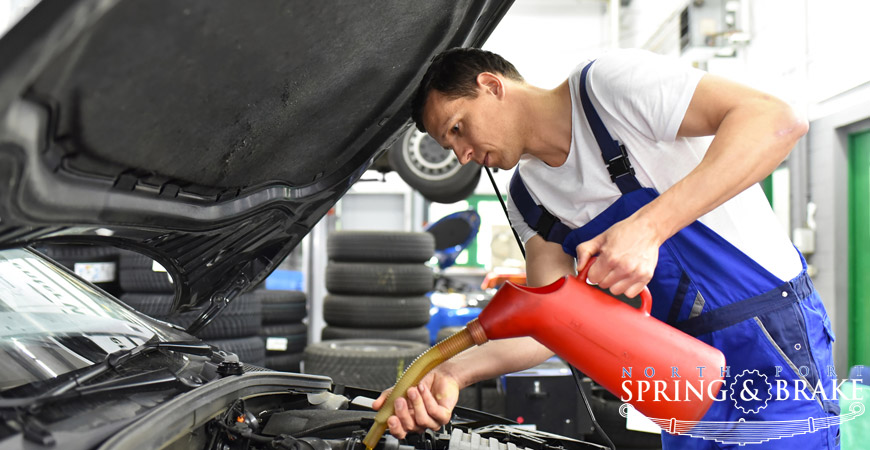
Regular oil changes are one of the most important parts of maintaining your vehicle’s engine. Motor oil lubricates internal engine components, reduces friction, helps regulate temperature, and prevents harmful buildup that could damage your engine. But one of the most common questions drivers ask is: How often should you actually change your oil? The answer depends on several factors, including your vehicle type, the oil you use, and your driving habits.
The Traditional Rule: Every 3,000 Miles
For many years, the standard recommendation was to change your oil every 3,000 miles or every three months. While this guideline still applies in certain cases, especially for older vehicles, it is no longer the universal rule it once was. Advances in engine technology and oil quality mean many modern vehicles can safely go much longer between oil changes.
Modern Vehicles: 5,000–7,500 Miles
Most newer vehicles recommend oil changes every 5,000 to 7,500 miles when using conventional or synthetic blend oil. Manufacturers design modern engines to run more efficiently, and improved oil formulations provide better protection for longer periods.
If you drive a typical mix of city and highway miles, changing your oil within this range is usually sufficient to keep your engine running smoothly.
Synthetic Oil: Up to 10,000 Miles
If your vehicle uses full synthetic oil, you may be able to go 7,500 to 10,000 miles between oil changes. Synthetic oil is engineered to resist breakdown, handle higher temperatures, and provide superior lubrication compared to conventional oil. Many newer vehicles actually require synthetic oil because their engines operate at higher performance levels and tighter tolerances.
However, even if synthetic oil allows longer intervals, it’s still important to check your owner’s manual and monitor oil levels regularly.
Driving Habits Matter
Mileage alone doesn’t always determine when you should change your oil. How you drive plays a major role in oil wear and engine stress. You may need more frequent oil changes if you regularly:
- Drive short distances where the engine doesn’t fully warm up
- Sit in heavy stop-and-go traffic
- Tow trailers or heavy loads
- Drive in extremely hot or cold weather
- Take frequent short trips around town
These conditions are considered “severe driving conditions”, and they cause oil to break down faster. In these cases, a 3,000–5,000-mile interval may still be recommended.
Long Highway Driving
On the other hand, if most of your driving is steady highway travel, your engine operates more efficiently and your oil experiences less stress. Highway miles typically allow oil to last longer because the engine maintains consistent temperature and RPM levels. Drivers who regularly commute long highway distances may safely extend their oil change interval toward the higher end of manufacturer recommendations.
Pay Attention to Your Car’s Oil Life Monitor
Many modern vehicles include an oil life monitoring system that tracks engine conditions, mileage, and driving patterns. These systems calculate when your oil is actually nearing the end of its effective life. If your vehicle has this feature, it can provide a more accurate estimate of when an oil change is needed than mileage alone.
Signs Your Oil Needs Changing
Even if you track mileage carefully, it’s important to watch for warning signs, including:
- Dark, dirty oil on the dipstick
- Engine knocking or increased noise
- Oil warning light on your dashboard
- Decreased engine performance
- Burning oil smell
Ignoring these signs can lead to serious engine damage over time. For most drivers today, oil changes typically fall between 5,000 and 7,500 miles, though vehicles using synthetic oil may go up to 10,000 miles depending on driving conditions. However, the best rule is to follow your vehicle manufacturer’s recommendations and adjust based on how you drive.
Routine oil changes are a small investment that can significantly extend your engine’s life, improve performance, and prevent costly repairs down the road. Keeping up with this simple maintenance task ensures your vehicle stays reliable for many miles to come.