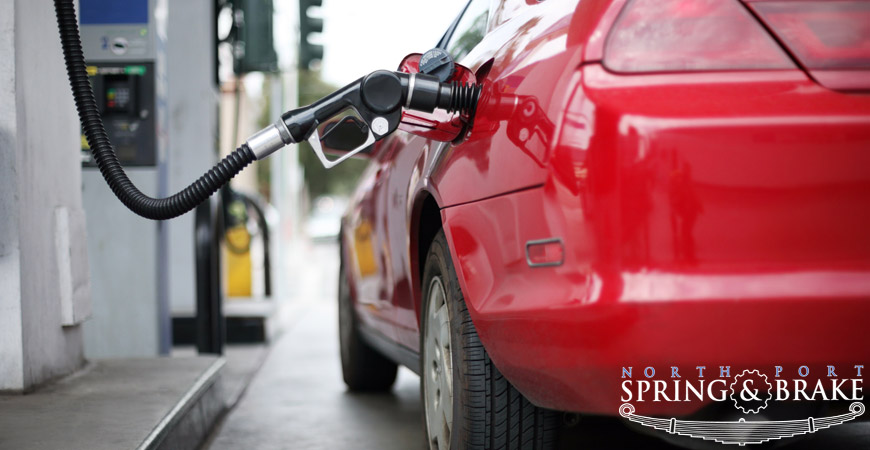
Summer is finally here, and with it comes vacation season, weekend road trips, beach outings, camping adventures, and family travel. Unfortunately, summer 2026 is also bringing some of the highest fuel prices drivers have seen in years. While gas prices have fluctuated recently, fuel costs remain elevated as demand increases and millions of Americans hit the road for summer travel. AAA reports that gas prices remain significantly higher than in previous years, and experts expect fuel costs to stay elevated throughout the busy summer driving season. (AAA Newsroom)
For car and truck owners, that means every gallon counts.
The good news is that there are practical steps you can take to improve fuel economy, reduce unnecessary fuel consumption, and save hundreds of dollars throughout the summer. Whether you drive a compact sedan, family SUV, work truck, or pickup towing a trailer, understanding how fuel efficiency works can help keep more money in your wallet.
Why Gas Prices Rise During Summer
Many drivers wonder why fuel prices seem to climb every summer. Several factors contribute to higher prices during warmer months.
Refineries switch to a more expensive summer-blend gasoline that reduces evaporation and emissions during hot weather. At the same time, travel demand increases dramatically as families take vacations and students are out of school. The combination of increased demand and higher production costs typically pushes prices upward. (AAA Newsroom)
This year, global energy market uncertainty has also contributed to higher fuel costs, making fuel efficiency more important than ever.
Slow Down and Save
One of the easiest ways to save money on gas costs absolutely nothing.
Slow down.
According to fuel economy experts, fuel efficiency begins to drop significantly as vehicle speeds exceed 50 mph. Aerodynamic drag becomes a major factor, forcing your engine to work harder and burn more fuel. (AAA Fuel Prices)
Driving 75 mph instead of 65 mph may save a few minutes on a trip, but it can cost you considerably more at the pump.
Using cruise control on highways can also help maintain a consistent speed and prevent unnecessary acceleration and braking, which improves fuel economy. (AAA Fuel Prices)
Keep Your Tires Properly Inflated
Many drivers overlook one of the simplest fuel-saving maintenance tasks.
Tire pressure matters.
Underinflated tires create additional rolling resistance, forcing your engine to work harder. This reduces gas mileage, causes premature tire wear, and negatively affects vehicle handling and braking. (AAA Fuel Prices)
Check your tire pressure at least once a month during summer, especially before long trips. Properly inflated tires can improve fuel efficiency and extend their lifespan. For truck owners, maintaining proper tire pressure becomes even more important when carrying heavy loads or towing trailers.
 Remove Extra Weight
Your vehicle pays a price for carrying unnecessary cargo. Every extra pound requires energy to move. If you’ve been storing tools, sports equipment, construction materials, or other heavy items in your trunk or truck bed, now is a good time to clean things out.
Fuel economy losses are especially noticeable in smaller vehicles, but even larger SUVs and trucks can benefit from reducing unnecessary weight. (AAA Fuel Prices)
If you only use your roof rack, cargo carrier, kayak rack, or bike rack occasionally, remove it when it’s not needed. These accessories create additional wind resistance and can significantly reduce highway fuel economy. (AAA Fuel Prices)
Avoid Aggressive Driving
Aggressive driving habits can have a major impact on fuel consumption. Rapid acceleration, hard braking, tailgating, and frequent lane changes all waste fuel. Studies consistently show that smooth, controlled driving improves gas mileage and makes driving safer. (AAA Fuel Prices)
Instead of racing to the next traffic light, gradually accelerate and anticipate stops. Taking your foot off the accelerator earlier when approaching intersections can reduce fuel consumption and brake wear.
These habits are especially important for truck owners, as larger vehicles require more fuel during acceleration.
Reduce Excessive Idling
Many people leave their vehicles running longer than necessary.
Modern engines do not require extended warm-up periods, even in colder climates. During summer, idling wastes fuel without providing any meaningful benefit. (AAA Fuel Prices)
If you’re parked and waiting for someone for more than a minute, shutting off the engine can save fuel. Many newer vehicles now include automatic stop-start systems designed specifically to reduce unnecessary fuel consumption.
For fleet operators, contractors, and truck owners who spend significant time parked at job sites, reducing idle time can yield substantial savings over the course of a season.
Plan Your Trips More Efficiently
Poor trip planning leads to wasted fuel.
Combining multiple errands into a single trip reduces total driving time and mileage. It also allows your vehicle to operate more efficiently once the engine reaches normal operating temperature. (AAA Fuel Prices)
Before heading out, consider:
- Combining shopping trips
- Avoiding rush hour traffic
- Using navigation apps to avoid congestion
- Planning the shortest route between destinations
Traffic congestion leads to excessive braking, acceleration, and idling, all of which consume more fuel.
Use the Correct Fuel Grade
One common misconception is that premium gasoline always improves vehicle performance and fuel economy.
In reality, unless your owner’s manual specifically recommends or requires premium fuel, using higher-octane gasoline generally provides little or no benefit. (AAA Fuel Prices)
Check your vehicle manufacturer’s recommendations and use the appropriate fuel grade. Paying extra for premium fuel when your vehicle doesn’t need it is simply spending more money without receiving additional value.
Stay Current on Vehicle Maintenance
Routine maintenance remains one of the best investments you can make.
A poorly maintained vehicle often burns more fuel and performs less efficiently. Regular oil changes, air filter replacements, fluid checks, and inspections help keep engines operating at peak efficiency. (AAA Fuel Prices)
Pay particular attention to warning lights.
If your check engine light appears, have it diagnosed as soon as possible. Engine management issues can significantly reduce fuel economy and lead to more expensive repairs later. (AAA Fuel Prices)
Truck owners who rely on their vehicles for work should be especially proactive about maintenance, as fuel costs can quickly add up when driving long distances every day.
Be Smart About Air Conditioning
Summer heat often means heavy use of air conditioning.
While air conditioning provides comfort, it also places an additional load on the engine and increases fuel consumption. Some reports suggest heavy A/C use can reduce fuel economy by as much as 25 percent under certain conditions. (The Sun)
To reduce A/C usage:
- Park in shaded areas whenever possible
- Use windshield sunshades
- Crack windows briefly before driving
- Vent hot air before turning the A/C on high
Keeping your vehicle cooler while parked can reduce the amount of energy needed to cool the cabin once you start driving. (AAA Fuel Prices)
Take Advantage of Fuel Rewards Programs
Many drivers overlook fuel savings programs offered by gas stations, warehouse clubs, grocery stores, and credit card companies.
These programs can provide meaningful discounts throughout the summer. Some offer cents-per-gallon savings while others provide cashback rewards on fuel purchases. (AAA Club Alliance)
While each individual fill-up may only save a few dollars, the savings add up quickly for families who take multiple road trips or commute daily.
With summer travel season underway and fuel prices remaining higher than many drivers would like, improving fuel efficiency has never been more important. AAA reports that gas prices remain elevated despite recent declines, and market uncertainty could continue to influence costs throughout the summer. (AAA Newsroom)
The good news is that most fuel-saving strategies require little or no money to implement. Simple actions such as maintaining proper tire pressure, reducing speed, avoiding aggressive driving, eliminating unnecessary weight, and keeping your vehicle properly maintained can make a noticeable difference.
For car owners, truck owners, contractors, commuters, and families planning summer vacations, every gallon saved helps offset rising fuel costs.
This summer, a few smart driving habits may be the easiest way to keep your travel budget under control while still enjoying everything the season has to offer.